
Hegemonikón, Prohairesis, and the Power of Choice
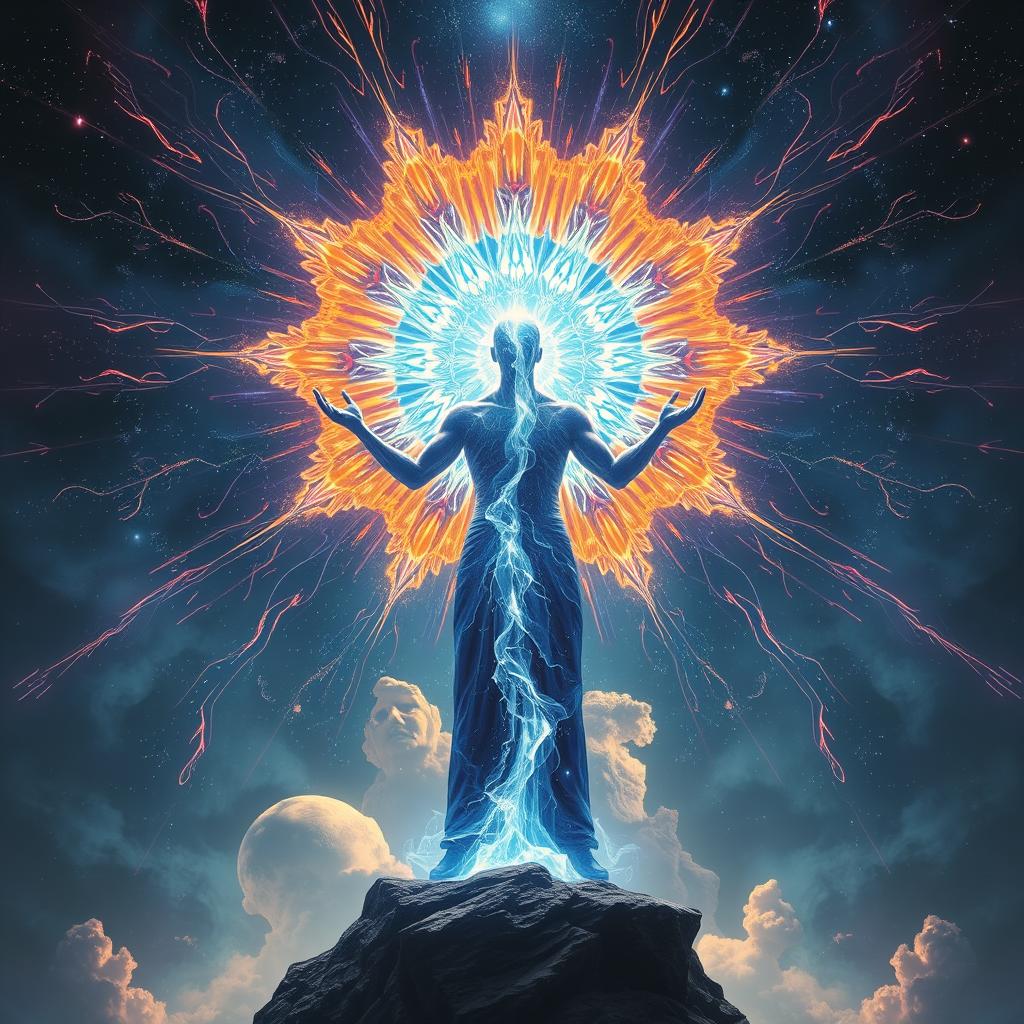
Ancient Mediterranean philosophers, and the Stoics in particular, understood with remarkable clarity what modern psychology is now rediscovering: the life of a human being is not determined by major events, but by the way they move through the present moment. Not by the heroic achievements that fill biographies, but by that inward gesture—often silent and nearly invisible—with which we interpret what reaches us from the outside. A hurried word, an unforeseen setback, a disappointment, a gesture from another person that disrupts our expectations: all of this belongs to the realm of facts, which we cannot alter. Yet it is always we who determine what meaning we allow those facts to acquire.
The Stoics called hegemonikon (ἡγεμονικόν) the directing principle, the faculty that receives impressions and transforms them into judgments. Chrysippus described it as the rational heart of the soul, the instance that decides whether a representation deserves to be accepted or rejected; and Marcus Aurelius returns again and again to this idea in his Meditations: “The mind determines what makes what happens harmful.” Every event is neutral; it is the interpretation we assign to it that generates emotion, disturbance, serenity, or strength.
But interpretation is not destiny, and this is where prohairesis (προαίρεσις) enters— the faculty that Epictetus placed at the peak of human dignity. If the hegemonikon formulates an initial judgment—often hasty, shaped by habit or fear—prohairesis is what decides whether that judgment will be adopted, corrected, or discarded. It is our naked freedom, the point at which we become the authors of our own behavior. Everything that is truly ours, Epictetus says, is decided here: “Among all existing things, some depend on us and others do not.” And the only meaningful difference between a well-lived life and a life dragged by circumstance is the clarity with which we maintain this distinction.
Our age uses words like “focus” and “selective attention,” but the Stoics already knew the essence of the matter: at every moment we can direct our gaze toward what is within our power—our judgments, our actions, our intentions—or toward what lies forever outside it. The first path leads to inner mastery; the second inevitably leads to frustration and victimhood. Not because events are unjust, but because we have shifted the center of our stability outside ourselves. This is the difference Marcus Aurelius expressed with luminous simplicity: “The world is change; our life is what our thoughts make of it.”
Focus thus becomes the operational tool of prohairesis: the hegemonikon proposes an interpretation, but we decide where to place our attention. We can allow ourselves to be pulled toward what we can never control, or concentrate our energy on what we can genuinely transform. And the more familiar this choice becomes, the more the present moment reveals itself as the true terrain of human freedom—the only moment in which we can shape what we will become.
Freedom, then, does not lie in doing whatever we want, but in governing the meaning we assign to what happens. It is the ability to shape our response before our reaction takes command. It is that subtle yet undeniable space between stimulus and judgment, between judgment and action. The Stoics knew that everything that truly matters happens within this inner space, and that protecting it is the very essence of philosophy: to guard it, expand it, and inhabit it with presence and clarity.
And at this point, perhaps the most important question is not what is happening around us, but what is happening within us right now. Where are you directing your focus in this moment? Are you nourishing what depends on you, or chasing what you will never control? And which interpretation—among the many your mind offers—do you choose as your own, here and now, in order to remain faithful to the person you aspire to become?
by Brunus


