
What Hippocrates Knew (and What We Should Rediscover)
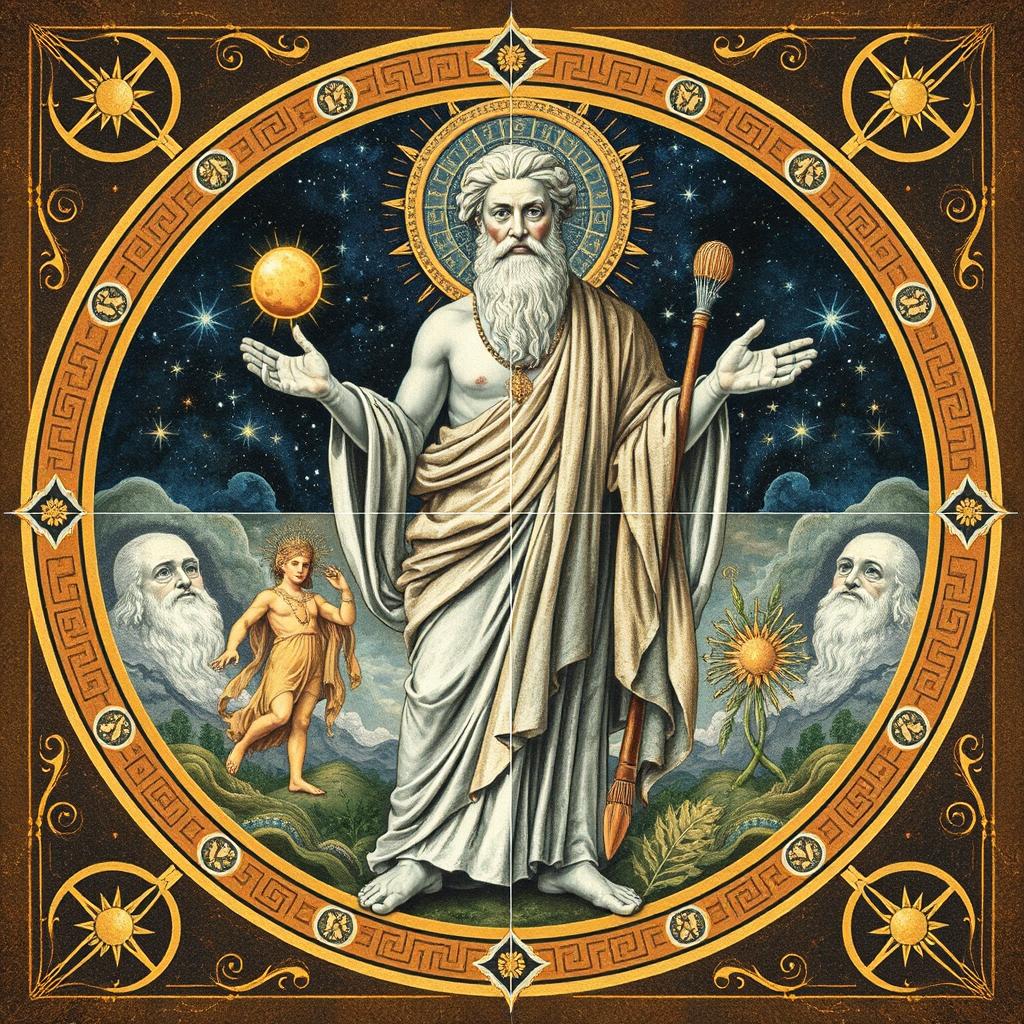
In an age where people rush to the pharmacy for every small ailment and look for a “magic pill” to make up for unhealthy habits, the thought of Hippocrates – a physician who lived 2,500 years ago – sounds surprisingly modern. Perhaps even revolutionary.
Because Hippocrates wasn’t just the founder of Western medicine: he was a philosopher of health. For him, healing didn’t mean attacking a disease, but restoring balance. It wasn’t about “fixing a symptom,” but helping nature take its course, with respect for the person and their environment.
“Before you heal someone, ask if they are willing to give up the things that made them sick.”
This quote – attributed to Hippocrates – should be displayed at the entrance of every modern clinic. Because no medicine can truly compensate for chronic smoking, sedentary living, stress, junk food, irregular sleep, or a life without meaning.
Yet we continue to expect miracles from chemistry, as if the body were a machine to be repaired in parts.
To Hippocrates, health was not the absence of disease, but a dynamic state of harmony between body, mind, and environment. And this harmony is built day by day: by walking, breathing clean air, eating moderately, sleeping regularly, cultivating balanced relationships, and avoiding excess.
A principle as simple as it is revolutionary: medicine is a way of life.
At the heart of this vision was the theory of the four humors, reflecting a cosmic view of health: the human body was influenced by natural elements – air, water, fire, earth – and any imbalance among them manifested as illness.
Today, science has moved beyond this ancient model, but the underlying idea still holds true: the body is part of nature, and it can only thrive in harmony with it.
In a way, Hippocrates reminds us that no external medicine can heal us if we are not first willing to change ourselves. And this is where the Mediterranean Way comes in: it’s not a diet, a trend, or a form of deprivation.
It is a way of living in balance with oneself and the world.
It’s the culture of good – but not excessive – food. Of daily walks, regular rest, sunlight through the window, and conversations unhurried.
It’s the wisdom of a people who, over the centuries, have learned that living well is the first medicine. And that one doesn’t need to give up pleasure: only avoid turning pleasure into abuse.
Perhaps we don’t need to go back 2,500 years. But we can rediscover what Hippocrates knew, and what we – in our rush for progress – have forgotten:
that true healing is already present in life itself, if only we know how to listen.


