
Happy Kalendae Ianuariae: a journey through New Year’s Eve in Ancient Rome
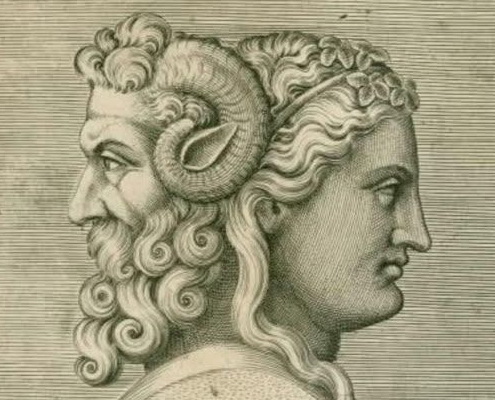
New Year’s Eve, we know, is always a time to decide on new beginnings, set ambitious goals and take a glimpse into the future. However, this practice of marking the transition to a new year-and celebrating it with rituals and reflections-is much older than we imagine. In ancient Rome, the first day of January, or the Kalendae Ianuariae, was not always the official start of the year; understanding why January 1 was chosen, the role of the god Janus, and how the Romans celebrated this day offers a fascinating glimpse into the origins of traditions that persist to this day.
Why January 1?
For much of Roman history, the year began in March, a month sacred to Mars, the god of war. This made sense in a society where the calendar was heavily influenced by agricultural cycles and military campaigns. March marked the beginning of spring and, with it, the renewal of life and the resumption of war after the winter break. Why, then, was January chosen?
The shift to January 1 as the beginning of the year took place in 153 B.C. It was a practical decision, as the Roman consuls, i.e., chief magistrates, began their terms of office on this date. The ancient Roman calendar attributed the name of January to Janus, the god of beginnings, transitions and gates. With Rome’s expanding power and increasingly complex administration, beginning the political year under the auspices of Janus seemed appropriate. The choice symbolized looking back at the past while taking a firm step into the future, aligning perfectly with the dual nature of Janus.
Janus: the Guardian of the Thresholds
Janus was depicted with two faces—one gazing backward into the past and the other forward into the future. This unique imagery resonated deeply with Roman culture. Janus embodied transition and duality, from the mundane (doors and gates) to the cosmic (time and change). His presence was invoked during moments of passage: the opening of new ventures, treaties, and, of course, the dawn of a new year.
he Romans believed that Janus’ favor was essential to ensure smooth transitions, and sacrifices and prayers were offered to him on January 1, asking for his guidance in dealing with the uncertainties of the year ahead. Rituals of the day encouraged reflection on the successes and failures of the year just past, while nurturing hope for the future.
Celebrating the Kalendae Ianuariae
The Kalendae Ianuariae were a joyous occasion. Romans exchanged gifts of honey, figs and dates, symbolizing sweetness and prosperity. Another popular gift was a small coin or strenae, what we call today precisely “strenna.” These gifts, exchanged among friends and family, reflected wishes for abundance and good luck.
The day was marked by banquets and festivities, but the celebrations were not just a pleasure for their own sake. The Romans believed that starting the year in a positive and harmonious way would determine the course of the following months. Words spoken, gestures made, and even thoughts cultivated on January 1 took on greater significance. It was customary to settle debts, resolve quarrels and start anew with a “cleared” table-a lesson to keep in mind for today’s resolutions.
Echoes in the Mediterranean
While the Romans formalized January 1 as New Year’s Day, other Mediterranean cultures had their own ways of marking the passage of the calendar. In ancient Egypt, New Year’s Day coincided with the annual flooding of the Nile, a symbol of rebirth and fertility. The Greeks celebrated Anthesteria and other festivals related to agricultural cycles and the gods of wine and abundance.
In Jewish tradition, Rosh Hashanah remains a spiritual New Year, focused on reflection and renewal. These variations remind us that although the mechanics of the calendar may differ, the universal human desire to honor the passage of time and hope for renewal remains constant.
The ancients, much more than us, understood the delicate intertwining of past and future, symbolized by Janus. For them, success was not just ambition; it required honoring what had been while bravely facing the unknown.
So, as we stand on the threshold of a new year, we too can embrace the wisdom of Janus. Reflect on the lessons of the past with gratitude and determination. Look ahead with optimism and bold intentions. Whether your resolutions include personal growth, professional milestones or acts of kindness, remember that how you begin the year determines its course.
May your Kalendae Ianuariae be filled with joy, abundance and clarity to pursue your goals and materialize your dreams with confidence and enthusiasm. Like the Romans before us, let us strive to leave behind what no longer serves us and confidently walk through the doors of opportunity ahead. Best wishes for a year of success, happiness and new beginnings! Felix Annus Novus!


