
Theurgy: ancient practices, modern insights
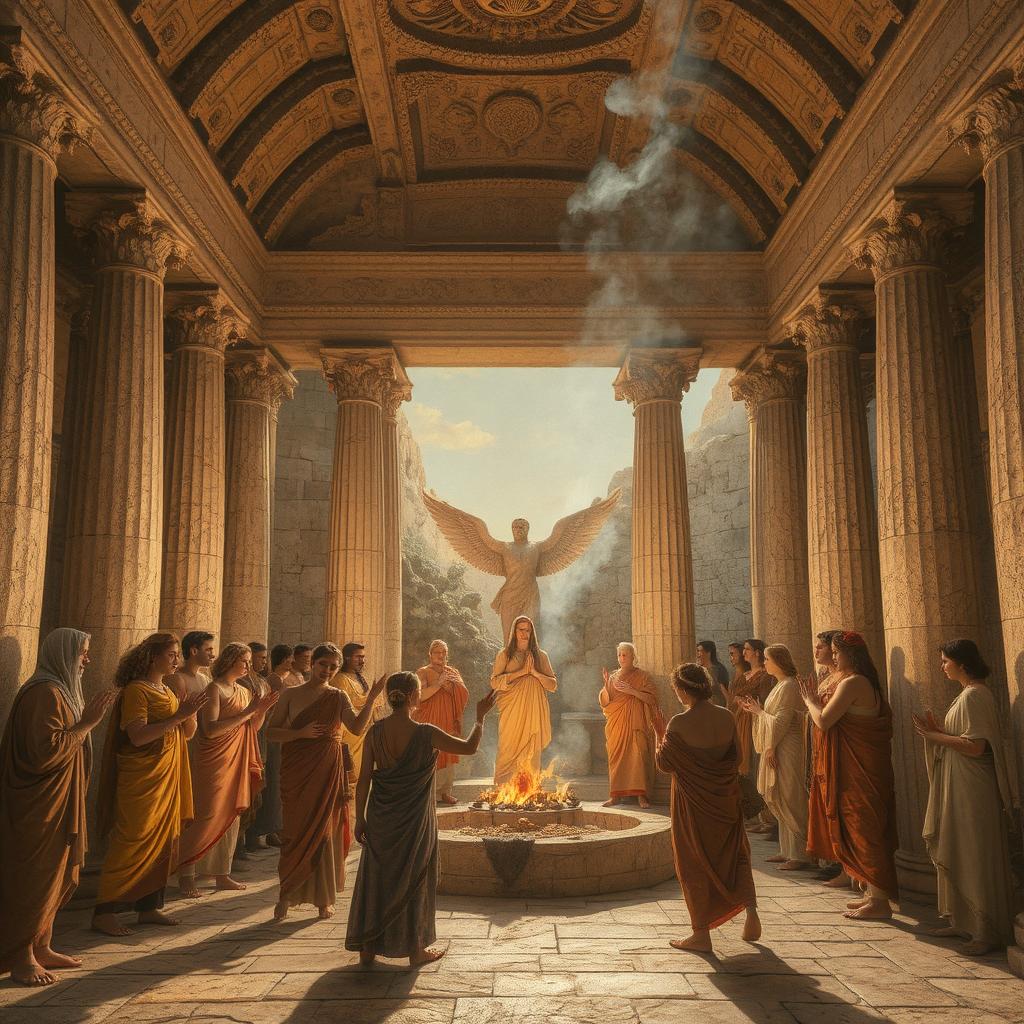
When we think of ancient spirituality, the term “Theurgy” doesn’t usually come to mind—yet it offers a fascinating lens through which we can explore the mystical traditions of the Mediterranean world. Theurgy, derived from the Greek θεουργία (theourgia, “divine work”), was a practice in which humans sought to commune with the divine. It was not about worship in the sense we might recognize today, but about connecting with the gods through sacred rituals. Think of it as the spiritual art of tuning yourself to the music of the cosmos.
Let’s dive into this ancient practice, discover what made it so special, and explore why it might still have relevance today.
A Spiritual toolkit for the Soul
Theurgy emerged from the Neoplatonist tradition, a school of thought that flourished in the early centuries CE. Philosophers like Iamblichus, one of its most famous proponents, believed that human beings weren’t just passive observers of the cosmos but active participants in a divine, interconnected order. Theurgy was the practical application of this philosophy.
Through chants, prayers, symbolic rituals, and sacred objects, practitioners sought to purify their souls and ascend toward henosis, or unity with the divine. Iamblichus described it as “a sacred art that reveals the way to the gods.” For him, contemplation of the divine wasn’t enough—you needed to actively engage with it, body and soul.
The Chaldean Oracles: A guide to the Divine
One key text for theurgic practices was the Chaldean Oracles, a collection of mystical writings that served as a spiritual manual for those seeking divine connection. These oracles spoke of a multi-layered cosmos where the material world was just one layer of reality.
The Oracles encouraged practitioners to align themselves with the divine through rituals and invocations. For example, one passage advises:
“Never change the barbarous names of evocation; for they are most divine and have in the sacred rites an ineffable power.”
In other words, the names of the gods and the sounds themselves were thought to hold a kind of mystical resonance, connecting the human and divine realms.
Examples of Theurgical Practices
Imagine a practitioner standing in a temple, chanting a hymn to Helios, the sun god, as dawn breaks. They might hold a talisman engraved with sacred symbols, designed to focus their mind and invoke the god’s presence. The hymn would not just be words—it would be a call to the divine energy represented by Helios, believed to govern life and vitality.
Another common ritual involved invoking Hekate, the goddess of the crossroads, for guidance. Theurgists believed Hekate could bridge the gap between the mortal and divine worlds, making her a key figure in rituals of spiritual ascent.
These practices weren’t about commanding the gods but aligning oneself with their wisdom and power. It was less “asking for favors” and more “tuning in” to the divine flow.
Why does Theurgy matter today?
You might be thinking, “This sounds cool, but how does this ancient practice relate to my life?” Fair question. While few of us are standing in temples with talismans these days, theurgic ideas offer insights that resonate deeply with modern spirituality:
Connection with the Universe: Theurgy reminds us that we’re part of a greater whole. Whether you call it the divine, the universe, or simply nature, taking time to align with something bigger than yourself can bring peace and purpose.
The Power of Ritual: In a world where we’re always rushing, creating intentional rituals—lighting a candle, meditating, journaling—can ground us and help us focus on what matters most.
Sacred Sounds and Symbols: Modern practices like sound healing and mantra meditation echo the theurgic belief in the power of sacred words and sounds to connect us to deeper truths.
A Simple Theurgic Practice for Today
While the ancient theurgists had their hymns and talismans, you can create a personal ritual inspired by their approach:
Set a Sacred Space: Choose a spot where you won’t be disturbed. Light a candle or place a meaningful object nearby.
Invoke the Divine: Whether through a prayer, a mantra, or even silently reflecting, focus on the qualities you wish to embody—like wisdom, strength, or peace.
Align with the Cosmos: Take a few moments to breathe deeply, imagining yourself as part of the great rhythm of the universe.
Remember, the key is intention. Theurgy wasn’t about elaborate rituals for their own sake—it was about creating a pathway to the divine.
Theurgy’s Timeless Wisdom
Theurgy may seem like a relic of a long-gone world, but its essence is timeless. At its heart, it’s about seeking harmony with the cosmos, living intentionally, and opening ourselves to a deeper sense of the sacred.
As Iamblichus might say, we don’t need to escape the material world to find divinity; we just need to learn how to see the divine within and around us. That’s a practice as relevant today as it was in the temples of ancient Greece.
So, why not take a moment today to “work the divine” in your own way? You might be surprised at what you discover.


